
The science of calm design.
At Lumina Labs, we help brands, projects and teams translate insights from behavioral psychology, choice architecture and cognitive and affective neuroscience into practical guidance for digital interfaces, physical spaces, and urban experiences.
Our nervous systems are constantly responding to the environments we move through — online and offline. Even small, intentional design choices can influence attention, emotion, and decision-making. Calm design isn’t just aesthetic — it’s measurable. Every texture, tone, rhythm, and interaction primes the brain to feel safe, focused, and capable of intentional action.
Overstimulation — from notifications and screens to fluorescent lights and crowded spaces — increases stress hormones, fragments attention, and disrupts emotional regulation.
Calm design — grounded in behavioral psychology, choice architecture and cognitive and affective neuroscience— helps environments, interfaces, and urban spaces support attention, intentional decision-making, and emotional coherence.
Even small, intentional adjustments — a predictable visual rhythm, a biophilic texture, or a restorative city route — can profoundly influence how people feel, focus, and act.
Key Research:
Stanford University: Interface rhythm and visual clutter’s effect on cognitive load
MIT: Narrative flow and microinteractions influence attention and emotion
TU Delft: Sensory design principles for reducing digital fatigue
TU Eindhoven & Well Building Institute: Biophilic, sensory-calibrated spaces reduce cortisol and improve focus
Aarhus University & EU Joint Research Centre: Urban aesthetic coherence enhances social cohesion and perceived safety
Calm design is more than aesthetic — it’s a measurable way to shape attention, emotion, and choice.
Why calm matters
How calm design works
At Lumina Labs, we translate insights from behavioral psychology, choice architecture, and cognitive and affective neuroscience into applied frameworks that make calm practical and measurable.
Our guiding principle is neurosensory coherence — the alignment and harmony between sensory inputs and the brain’s processing.
When perception, attention, and emotional regulation are supported rather than fragmented, calm becomes a measurable design outcome.
In practice, this means:
Sensory alignment: Visual, auditory, tactile, and environmental cues work together without conflict or overstimulation.
Cognitive clarity: The brain processes information efficiently because sensory input is predictable, structured, and meaningful.
Emotional regulation: When sensory and cognitive systems are coherent, the nervous system interprets the environment as safe — lowering stress responses and supporting focus, calm, and intentional action.
Design application: In digital, spatial, and urban environments, rhythm, color, motion, sound, and layout reinforce each other to create seamless, restorative, and intuitive experiences.
Using calibrated choice architecture, we design flows and environments that reduce cognitive load, restore focus, and create ease — so people can move, decide, and connect naturally.
Because when the senses, brain, and environment move in sync, calm isn’t the absence of stimulation — it’s the presence of coherence by design.
Calm design that makes a difference
Digital Calm
Designing interfaces that reduce cognitive load, support focus, and guide thoughtful decision-making.
Behavioral Principles: Predictable pacing, microinteraction rhythm, and simplified choice hierarchies.
Impact: Users experience less digital fatigue, greater clarity, and more confident decision-making.
Applied Behavioral Levers:
Present Bias: Reward calm instantly — design interactions that feel smooth and immediately satisfying.
Choice Architecture: Simplify decisions with clear hierarchies, limited options, and intuitive flow.
Implementation Intentions: Predictive pacing cues what comes next, reducing uncertainty.
Confidence Building: Gentle, affirming microcopy and feedback loops increase perceived control.
Habit Formation: Repetition, visual rhythm, and predictable flow create intuitive calm loops.
Measurable Outcomes:
↓ Cognitive load
↑ Emotional stability and sustained attention
↑ Positive affect and trust
Applications:
Calm UX Framework: Align motion, typography, and tone with the nervous system’s rhythms
Digital Choice Audit: Map flows for cognitive overload or emotional dysregulation
Neuroadaptive UI: Interfaces that pace with physiological signals like HRV, galvanic skin response, or eye tracking.
Spatial Calm
Creating environments that restore the nervous system, replenish attention and scaffold daily behaviors.
Behavioral Principles: Biophilic cues, sensory predictability, and cue-based habit scaffolds.
Impact: Spaces support focus, reduce stress, and make restorative behaviors the natural path.
Applied Behavioral Levers:
Temptation Bundling: Pair effortful behaviors (focus, transitions) with sensory pleasure (warm light, texture).
Implementation Intentions: Cue-based transitions like “If I enter this space, I focus.”
Fresh Start Effect: Use thresholds and lighting changes as micro resets.
Habit Design: Repeat sensory patterns (color, rhythm, scent) to scaffold routine behaviors.
Social Accountability: Design communal spaces that subtly synchronize behavior.
Measurable Outcomes:
↓ Cortisol and perceived stress
↑ Task-switching efficiency
↑ Sense of control, focus, and emotional coherence
Applications:
Calm Office Blueprint: Biophilic neurodiversity-aware spatial templates
Predictive Design System: Light, acoustics, and rhythm signal task transitions
Spatial Choice Architecture: Layouts that make intrinsic behaviors the default.
Urban Calm
Shaping urban experiences that foster connection, belonging, safety, and collective ease.
Behavioral Principles: Curated sensory routes, aesthetic coherence, and social co-regulation.
Impact: Urban spaces support exploratory behavior, perceived safety, and community connection.
Applied Behavioral Levers:
Fresh Start Effect: Landmark transitions (parks, squares, water) cue emotional resets.
Social Accountability: Make collective calm visible — e.g., public calm zones or synchronized soundscapes.
Choice Architecture: Nudge foot traffic toward restorative routes using sensory cues and signage.
Confidence / Safety Signaling: Use visual coherence and lighting to increase safety and belonging.
Temptation Bundling: Make restorative routes more rewarding than high-stimulation paths.
Measurable Outcomes:
↑ Perceived safety and social trust
↑ Exploratory behavior and cultural engagement
↓ Urban fatigue and overstimulation
Applications:
Calm Routes™: Neuroaesthetic city pathways that restore attention using rhythm, color, and sensory coherence
Urban Emotional Mapping: Identify points of sensory overload that reduce emotional ease
Restorative Tourism Design: Cultural journeys structured to regulate arousal and foster exploration.
The Lumina Labs story
Lumina Labs is a behavioral design consultancy that applies behavioral psychology, choice architecture and cognitive and affective neuroscience to create calm, coherent experiences across digital, physical, and urban environments. We help brands, projects and teams reduce cognitive load, restore attention, and foster emotional and social ease through evidence-based frameworks, audits, and coaching.
Our focus isn’t just on aesthetics—it’s on measurable outcomes — illuminating how even subtle, intentional design choices can transform how people feel, focus, and act.
We help organizations create digital, physical, and urban experiences that reduce stress, restore focus, and guide intentional action—using evidence-based behavioral psychology, choice architecture, and cognitive and affective neuroscience.
Our philosophy
Calm isn’t the absence of stimulation — it’s the presence of coherence.
At Lumina Labs, we design from the nervous system outward, using insights from behavioral psychology, choice architecture, and cognitive and affective neuroscience to create environments that support emotional regulation, attention, and intentional action.
Our philosophy is built around five foundations of calm design—a framework that turns insight into a reinforcing loop, helping the nervous system feel safe, focused, and ready to engage.
Safety — Environments signal predictability and trust, reducing uncertainty and stress.
Clarity — Choices become cognitively effortless and emotionally clear, allowing focus on what matters.
Agency — Design supports intentional action and confidence, empowering people to act with ease.
Belonging — Shared calm and coherence strengthen collective behavior, fostering trust and social connection.
Restoration — Attention and emotional capacity are renewed through rhythm, recovery, and sensory alignment.
Aligned together, these five elements create more than calm — they form a self-reinforcing state that sustains focus, trust, and connection.
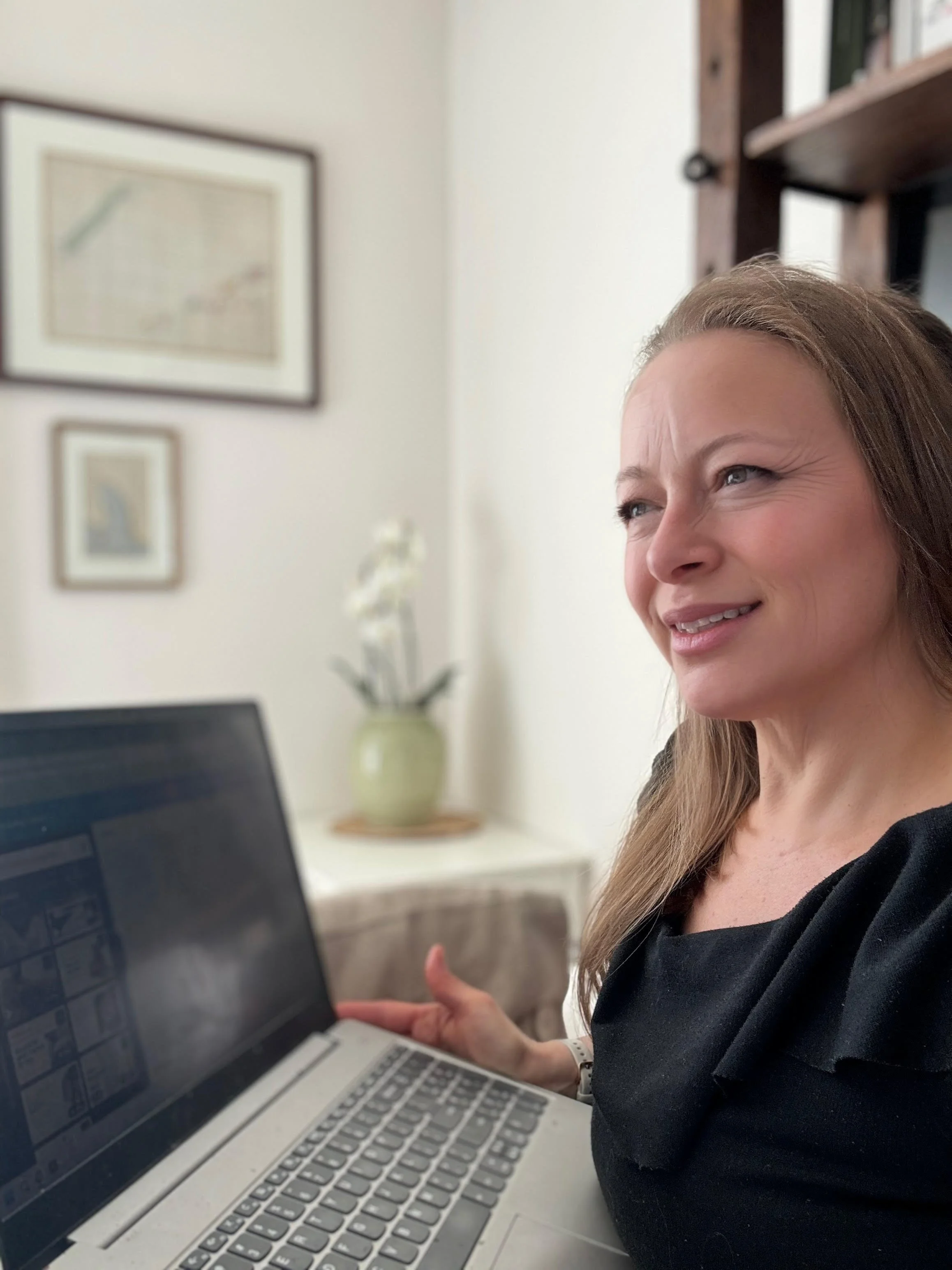
Meet the founder
Dana Skylar Blake
Calm Design Educator | Author | Podcast Host & Producer | Consultancy Founder
I share the science of calm.
I founded Lumina Labs to bridge the gap between behavioral science and applied design. Through the consultancy, I help brands, projects, and teams craft digital, spatial, and urban experiences that reduce cognitive load, restore focus, and feel restorative, and intuitive and coherent.
Through my writing on Substack and The Science of Calm Podcast, I explore how design shapes emotion, attention, and decision-making—translating research into practical frameworks that make calm measurable, actionable, and deeply human.
Let science shape experience
Design is more than communication—it’s co-regulation, a dialogue between the environment and the nervous system.
Whether it’s a digital microinteraction, a room’s rhythm, or a city’s sensory flow, every cue tells the brain what to expect. By aligning these cues with the neurosensory coherence, we can make spaces and interfaces feel safe, clear, and replenishing.