A studio for sensory-intelligent and neuroaesthetic calm design.
The Science of Calm
Our nervous systems respond to every environment we move through — online and offline. Lumina Labs translates neuroscience into calm, human-centered experiences.
From screen fatigue to overstimulating spaces, we’re surrounded by invisible design choices that quietly shape how safe, focused, or connected we feel.
At Lumina Labs, we study how those choices can be refined — using neuroscience, sensory design, and emotion-focused storytelling as our foundation.
Becauseq the brain feels design before it understands it.
Every texture, tone, word, and rhythm primes a nervous system response within the predictive brain.
🌿 Discover the Science Behind Calm →
The Calm Shift
The science of calm is changing how we live, work, and create.
Our world is overstimulated. Design can either amplify that noise — or offer a clear path through it.
By translating brain research into accessible design language, we help others build brands, products, and spaces that connect instead of overwhelm.
When We Design for Calm, We Design for Clarity
Our minds weren’t built for endless notifications, fluorescent spaces, or overstimulation.
At Lumina Labs, we study how sensory environments influence attention, emotion, and experience — and translate that research into simple, elegant tools.
Whether you’re creating a digital product, a physical space, or a lifestyle brand, calm design helps you cultivate flows and moments that feel clear, connecting, and simply human.
Aesthetics is data.
🧠 [About the Research]
Our work
Rooted in neuroscience and sensory design, our work bridges three interconnected domains — each exploring how design influences attention, emotion, and human connection.
🧠 Digital Calm
How interface rhythm, microinteractions, and narrative flow shape cognitive ease.
We study how NeuroUX and cognitive ergonomics reduce digital fatigue and improve focus.
From screen pacing and microcopy tone to motion design and user journey rhythm — calm interfaces are designed to feel intuitive, connective, and human-centered.
Why it matters:
Research from Stanford, MIT, and TU Delft shows that reducing visual clutter and unpredictable feedback loops lowers cognitive load, improving emotional regulation and task performance.
You’ll learn:
How to apply calm design to websites, apps, and brand media
Techniques for attention restoration and sensory pacing
Tools for neuroadaptive, emotionally resonant UX
[→ Explore the Digital Calm Guide]
🌿 Spatial Calm
How environments regulate the nervous system.
We explore how sensory predictability, biophilic design, and spatial rhythm support calm and cognitive recovery.
Our framework blends neuroarchitecture, environmental psychology, and design for neurodiversity — helping creators shape spaces that restore rather than deplete.
Why it matters:
Studies from the University of Twente, TU Eindhoven, and the WELL Building Institute show that sensory calibration — through light, texture, and acoustics — reduces cortisol levels and improves focus by up to 30%.
You’ll learn:
How spatial cues modulate emotion and stress
Core principles of neurodiversity-aware sensory design
The essentials of restorative and biophilic space-making
[→ Explore the Spatial Calm Guide]
🏙️ Cultural Calm
How city rhythm and cultural storytelling shape belonging.
We research how neuroaesthetics and place-based design influence our sense of connection — in museums, neighborhoods, and travel experiences.
Our Calm Routes framework aligns with the New European Bauhaus initiative, reframing urban exploration as a form of sensory wellbeing.
Why it matters:
Emerging studies from Aarhus University and the EU Joint Research Centre show that aesthetic coherence and sensory richness in cities increase oxytocin levels and perceived safety — supporting social cohesion.
You’ll learn:
How aesthetic rhythm in public spaces impacts wellbeing
The science of restorative tourism and sensory mapping
How to translate neuroaesthetic insights into cultural storytelling
[→ Explore the Cultural Calm Guide]
What We Offer
Lumina Labs transforms neuroscience into tangible, creative learning experiences.
📘 Guides
Evidence-based resources that translate neuroscience into visual frameworks, calm design principles, and sensory strategy templates.
Perfect for designers, founders, educators, and wellness creators.
[→ Browse the Guides]
🧩 Workshops
Interactive sessions where research becomes real.
Each workshop blends teaching, guided analysis, and reflection — helping participants apply calm design directly to their own projects.
Available Workshops:
Designing for Cognitive Ease (Digital Calm)
The Restorative Space Audit (Spatial Calm)
Neuroaesthetic Storytelling for Cities & Brands (Cultural Calm)
[→ Join a Workshop]
🌙 Implementation Coaching
Personalized coaching for professionals and teams who want to embed calm design into their brand, product, or environment.
From UX reviews to sensory audits to narrative alignment, these sessions help translate insight into measurable impact.
[→ Start Coaching]
Who It’s For
We work with curious minds and creative teams — people who believe design should feel as good as it looks.
✧ Designers & Creative Directors
✧ Brand & Product Teams
✧ Educators & Researchers
✧ Wellness Innovators & Founders
✧ Cultural & Urban Placemakers
If you build experiences — digital, physical, or cultural — Lumina Labs offers the science, language, and frameworks to make them meaningfully calm.
[✨ Explore Our Learning Paths] 🌿 [Discover the Science Behind Calm →]
Meet the Founder
Dana Skylar Blake
Neuroaesthetic Experience Designer & Researcher
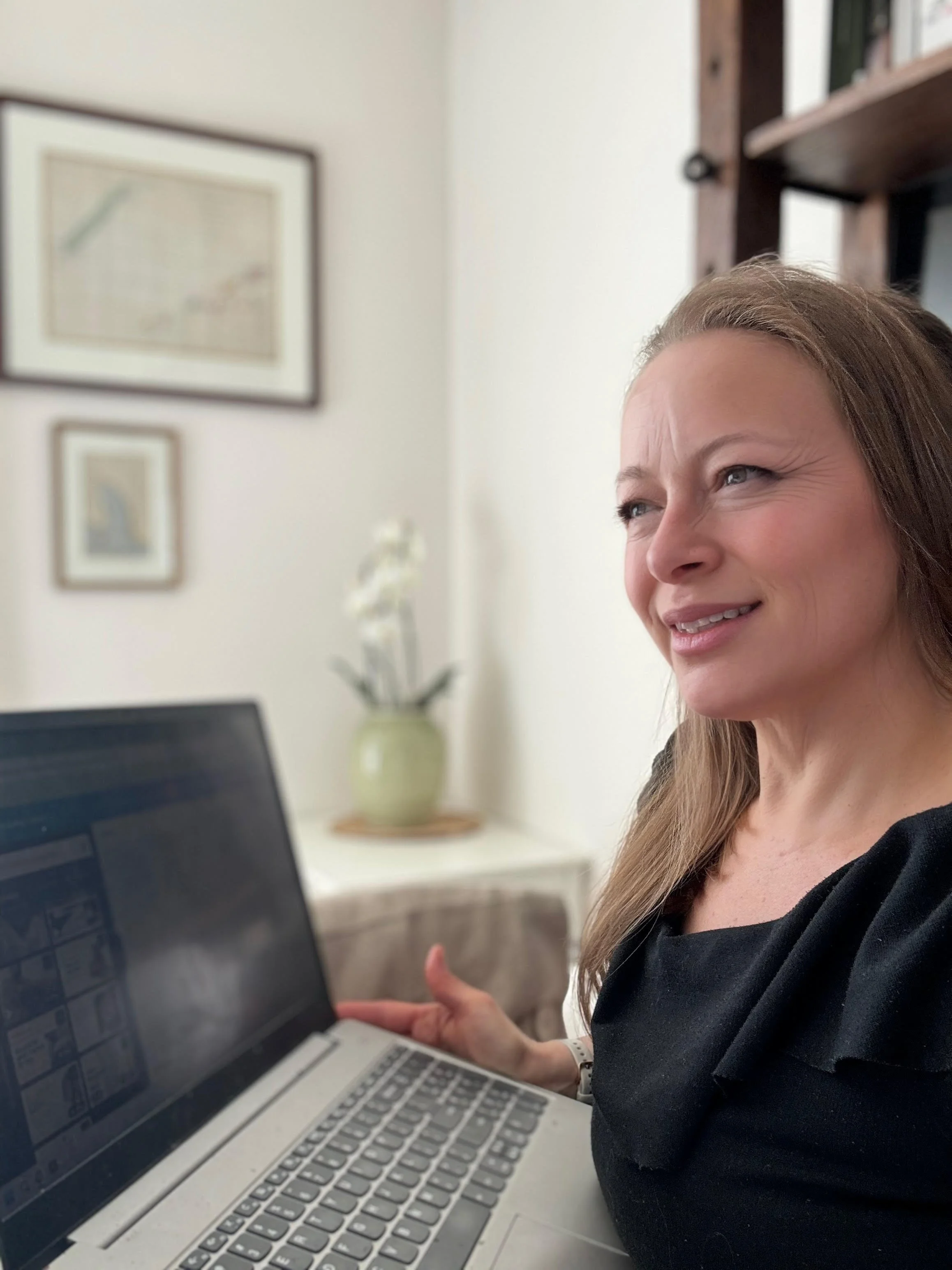
My path began in behavioral and consumer psychology — studying how design influences human decision-making.
Over time, I realized that much of what we call “good design” works on a neurological level long before we consciously notice it.
A tone of voice that feels safe.
A color temperature that quiets the body.
A rhythm of movement or interaction that restores focus.
Design, I discovered, isn’t just communication — it’s co-regulation: a dialogue between the environment and the nervous system.
From Behavioral UX to Neuroaesthetics
For years, I worked in behavioral UX and emotional experience design, helping brands and wellness studios craft experiences that supported attention, clarity, and trust.
But the more digital our world became, the more overstimulated our nervous systems felt.
I wanted to explore how science could reintroduce calm — how we could design not just for conversion or engagement, but for connection.
That shift led me to the field of neuroaesthetics, the study of how aesthetic and sensory experiences affect emotion and cognition.
I pursued a research master in Brain and Cognitive Science to ground this work in evidence.
My Philosophy
Calm isn’t the absence of stimulation — it’s the presence of coherence.
When sensory and narrative elements align, the brain recognizes safety, and the body follows.
Design has always been emotional; now, it’s neurological.
By integrating the science of perception and emotion, we can create digital, physical, and cultural experiences that are not only beautiful — but regulating.
Because every texture, tone, and transition tells the brain what to expect.
And when design feels aligned, the mind opens to attention, emotion, and connection.
The Creation of Lumina Labs
I founded Lumina Labs to bring this research to life — translating insights from cognitive science, neuroarchitecture, and sensory psychology into practical tools for creators.
Our focus is simple: to help people design for the nervous system, not just the eye.
Through guides, workshops, and coaching, Lumina Labs bridges the gap between academic research and applied creativity — showing how even small design choices can reshape how people feel, focus, and connect.
What I’m Working On
At Lumina Labs, I continue to explore:
How digital calm can reduce cognitive load in online spaces
How spatial design can restore attention and lower stress
How cultural storytelling can foster belonging in overstimulated cities
My research informs a growing library of guides, learning experiences, and coaching programs designed to help others apply these principles to their own work.
Let’s make calm a design standard — not a luxury.
✨ [Explore My Work] 🧠 [Learn with Lumina Labs]